
28 Nov 2025
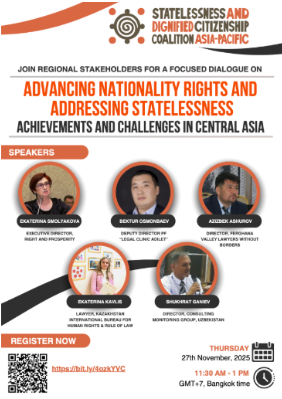
Advancing Nationality Rights and Addressing Statelessness: Achievements and Challenges in Central Asia
TAGS

The Statelessness and Dignified Citizenship Coalition – Asia Pacific (SDCC-AP) is organising their quarterly webinar, which will spotlight Central Asia’s progress in addressing statelessness.


Central Asian countries have achieved notable success in addressing statelessness, offering valuable lessons for the wider Asia-Pacific region, where legal gaps, implementation challenges, cross-border mobility, and gender-based discrimination continue to perpetuate statelessness.


As part of SDCC-AP’s Quarterly Webinar Series, the event aims to strengthen cross-regional solidarity, share effective strategies, and advance collective advocacy to ensure dignified citizenship and full nationality rights for all.


Date: Thursday, 27 November 2025

Time: 9:30 AM – 11:10 AM (Tashkent, GMT+5)

Venue: Zoom

Register: Link
 

More News

22 January 2021

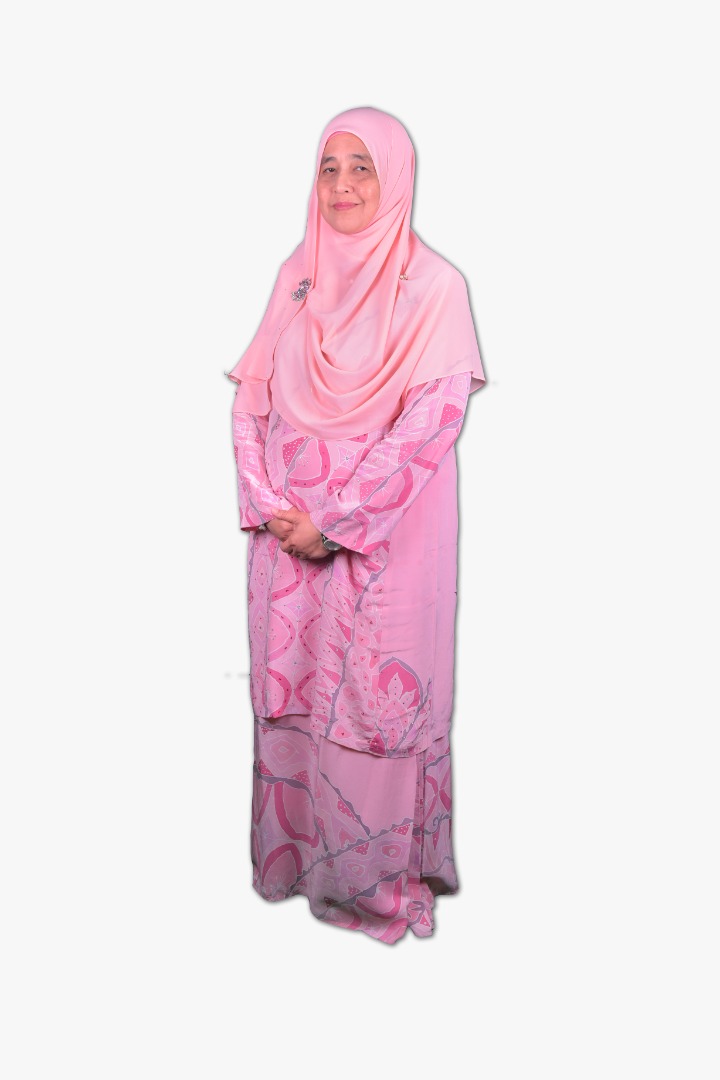
Newsletter: CRVS Insight January 2021 CRVS Champion: Ms. Nazaria Baharudin Each month, our…

14 December 2020

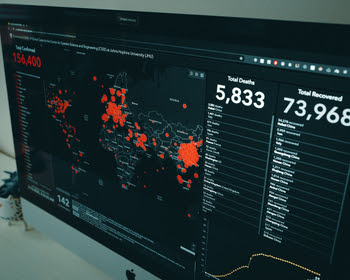
(Newsletter: CRVS Insight December 2020) The COVID-19 pandemic is challenging country mortality…

14 December 2020

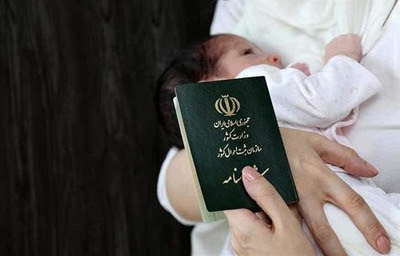
(Newsletter: CRVS Insight December 2020) In Iran, in November of 2019, the first Iranian identity…

14 December 2020

(Newsletter: CRVS Insight December 2020) Each month, our community newsletter puts a spotlight on…

14 December 2020

(Newsletter: CRVS Insight December 2020) Regional Steering Group members, Ms. Kamni Naidu (Fiji),…

24 November 2020

(Newsletter: CRVS Insight November (2) 2020) In preparation for the Second Ministerial Conference…

24 November 2020

(Newsletter: CRVS Insight November (2) 2020) Following a number of years of consultations and…

24 November 2020

(Newsletter: CRVS Insight November (2) 2020) In a major step toward universal registration, the…

24 November 2020

(Newsletter: CRVS Insight November (2) 2020) The ESCAP CRVS team is proud to announce the launch…

03 November 2020

(Newsletter: CRVS Insight November 2020) Women and children are often vulnerable to being left…