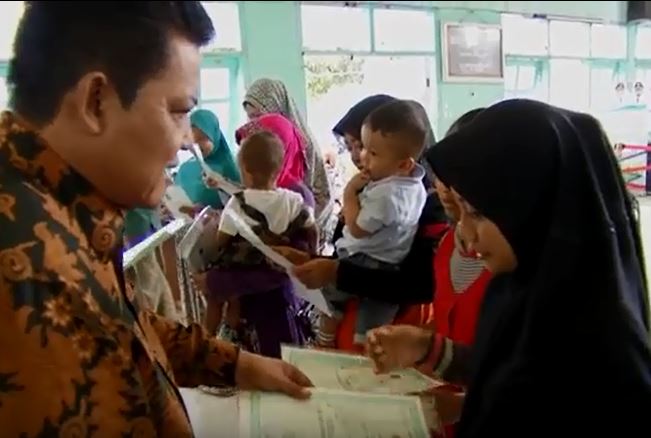


In an increasingly digital world, incomplete birth records are emerging as a major barrier to identity verification and service access. Missing days or months on birth certificates, once a minor bureaucratic issue, now trigger system rejections that block individuals from healthcare, banking, education, and international travel. Millions across Asia-Pacific face this challenge due to legacy paper-based registration practices that failed to capture full birth dates.
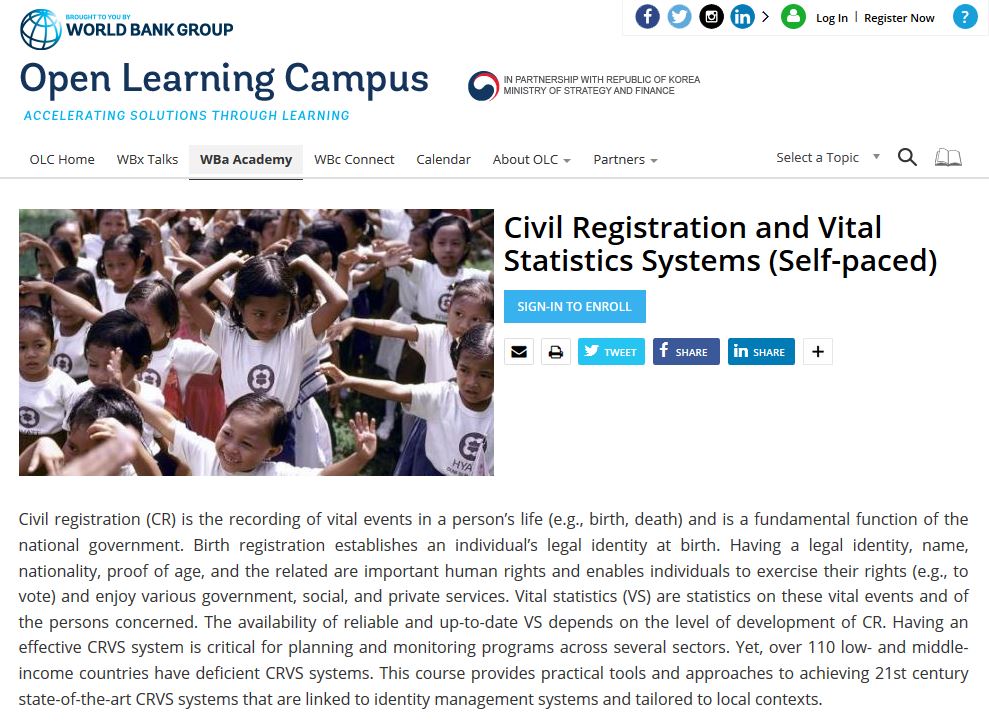
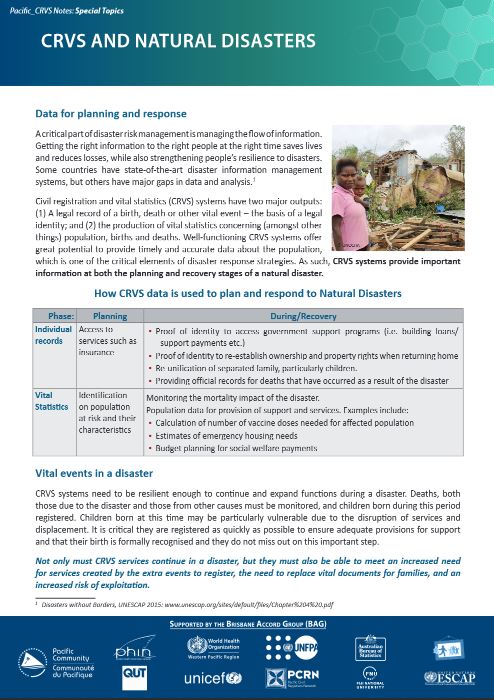
Historically, placeholders such as “--/--/YY” in Thailand or default dates like 1 January in rural Bangladesh were considered acceptable. Today, however, modern databases require standardized day-month-year formats, and incomplete records result in what experts call “digital exclusion.” The consequences extend beyond personal inconvenience: inaccurate data weakens Civil Registration and Vital Statistics (CRVS) systems, hampers policy planning, and delays legal processes such as marriage and migration.
To address these gaps, countries are adopting corrective measures. Thailand now authorizes registrars to assign assumed dates, while Switzerland and Australia have introduced fictitious date policies to enable identity verification. Experts recommend a dual approach: retrospective rectification of old records and forward-looking reforms to ensure accurate birth registration from the outset. Regional momentum, highlighted in recent ESCAP report, reflects a shared goal: preventing historical oversights from becoming permanent barriers in an increasingly automated future.
Click here for the full blog.