ESCAP recently released a publication entitled, "Time for Equality: The Role of Social Protection in Reducing Inequalities in Asia and the Pacific". The publication explores the linkages between inequality and social protection. Overall, it argues that inequality, in its multiple forms, is on the rise in Asia and the Pacific, and is having an adverse impact on sustainable development. The report provides evidence that social protection is an effective instrument to reduce inequalities, and by so doing, contributes to the integration of the economic, social and environmental dimensions of sustainable development. It examines in particular the inequalities faced by children, persons of working-age, older persons and in relation to access to affordable health care and related social protection initiatives taken in the region. It notes that while countries in the region are increasingly recognizing the importance of social protection, important coverage gaps remain. It also includes examples of successful schemes and provides member States and other stakeholders with recommendations along eight broad and complementary approaches. One of the factors undermining the effectiveness and efficiency of social protection systems is that potential beneficiaries are not accurately identified and targeted. This often leads to coverage, management and monitoring gaps. To improve this situation, countries should take steps to improve systems of civil registration and vital statistics (CRVS). Such improvements would facilitate the provision of indispensable demographic and health information, strengthening the evidence base and rendering re-distributive policies and interventions more effective and responsive to the needs of all, and the most vulnerable in particular.

News & Events

31 Dec 2015
Enhancing the evidence base for social protection

More News
28 October 2025
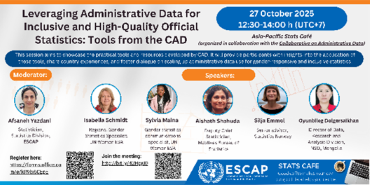
The Economic and Social Commission for Asia and the Pacific (ESCAP) is hosting the next Stats Café…
28 October 2025
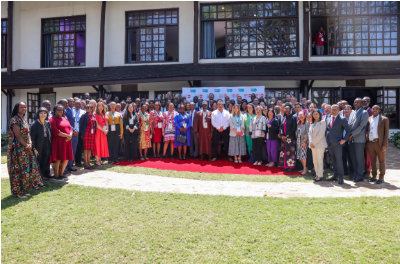
UNFPA and its Centre of Excellence for CRVS Systems, in collaboration with IDRC, Canada, the Global…
28 October 2025
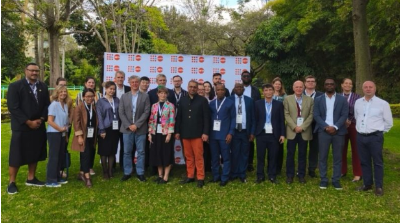
As governments digitize civil registration, identity management, and data systems, the need for…

28 October 2025
There are only 2 weeks left to apply for the third cohort of the CRVS Applied Research Training!…

15 October 2025
Bloomberg Global Grants Program Launches New Funding RoundCART applications now openNew members of…

25 September 2025
The European Committee for Standardisation (CEN) Working Group 19 (CEN/TC 224/WG 19) is working on…

25 September 2025
Unique identifiers are a key tool for countries aiming to build more resilient and inclusive…
25 September 2025
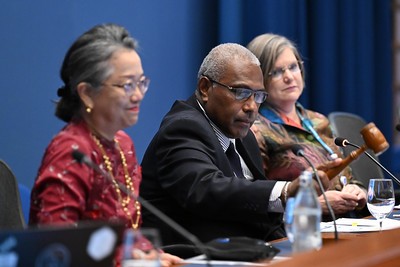
At the Third Ministerial Conference on Civil Registration and Vital Statistics (CRVS) in Asia and…

25 September 2025
The CRVS Applied Research Training (CART) initiative is a one-year capacity-building programme…
25 September 2025
A pilot initiative by Cambodia's General Department for Identification, Vital Strategies, Plan…