
27 Aug 2025
Research: Land ownership is key to gender gap in death registration in Bangladesh
TAGS

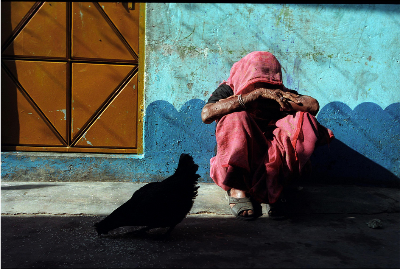
A new study in Bangladesh reveals that women’s lack of land ownership is a major factor behind low female death registration rates. Conducted by James P Grant School of Public Health (JPGSPH), BRAC University; Johns Hopkins University; and Vital Strategies, the research shows only 32% of deaths registered in Rangpur Division (2023–2024) were female.

Families often skip registering women’s deaths unless tied to property or inheritance issues. Respondents cited reasons like “no land-related matters” or “no inheritance issues.” The study also highlights systemic barriers such as low awareness, bureaucratic complexity, and poor inter-agency coordination.

Experts urge reforms including gender-sensitive awareness campaigns, simplified registration processes, and linking death certificates to essential services to ensure women are not excluded from official records.

Click here to read full article.
 

More News

17 May 2023

(Newsletter May 2023) The ninth meeting of the Regional Steering Group (RSG) for Civil…

17 May 2023

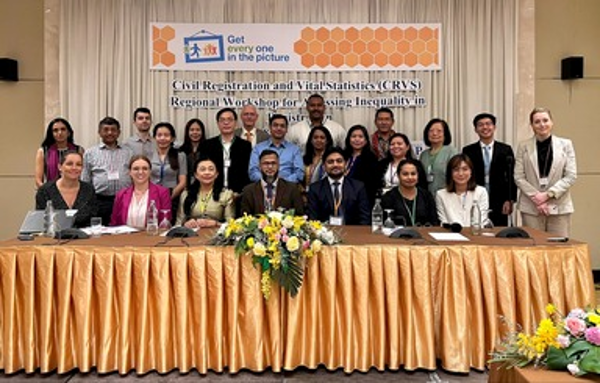
(Newsletter May 2023) The regional workshop for the Civil Registration and Vital Statistics (CRVS…

17 May 2023

(Newsletter May 2023) The Human Rights Council adopted at its 52nd session a Resolution on birth…

17 May 2023

(Newsletter May 2023) The UN Legal Identity Agenda (UNLIA) Task Force started a series of webinars…

17 May 2023

(Newsletter May 2023) UNDP published a comprehensive guide to global standards on data protection…

17 May 2023

  UNICEF published a key report titled “CRVS Platforms: Key Findings for Practitioners”. The…

17 May 2023

(Newsletter May 2023) The Samoa Bureau of Statistics (SBS) and the United Nations Development…

17 May 2023

(Newsletter May 2023) A new procedure for registering births is being introduced in Uzbekistan…

17 May 2023

(Newsletter May 2023) On April 27, Vital Strategies organized a virtual roundtable titled “Towards…

17 May 2023

(Newsletter May 2023) The WHO Western Pacific Regional Office, in cooperation with the Department…